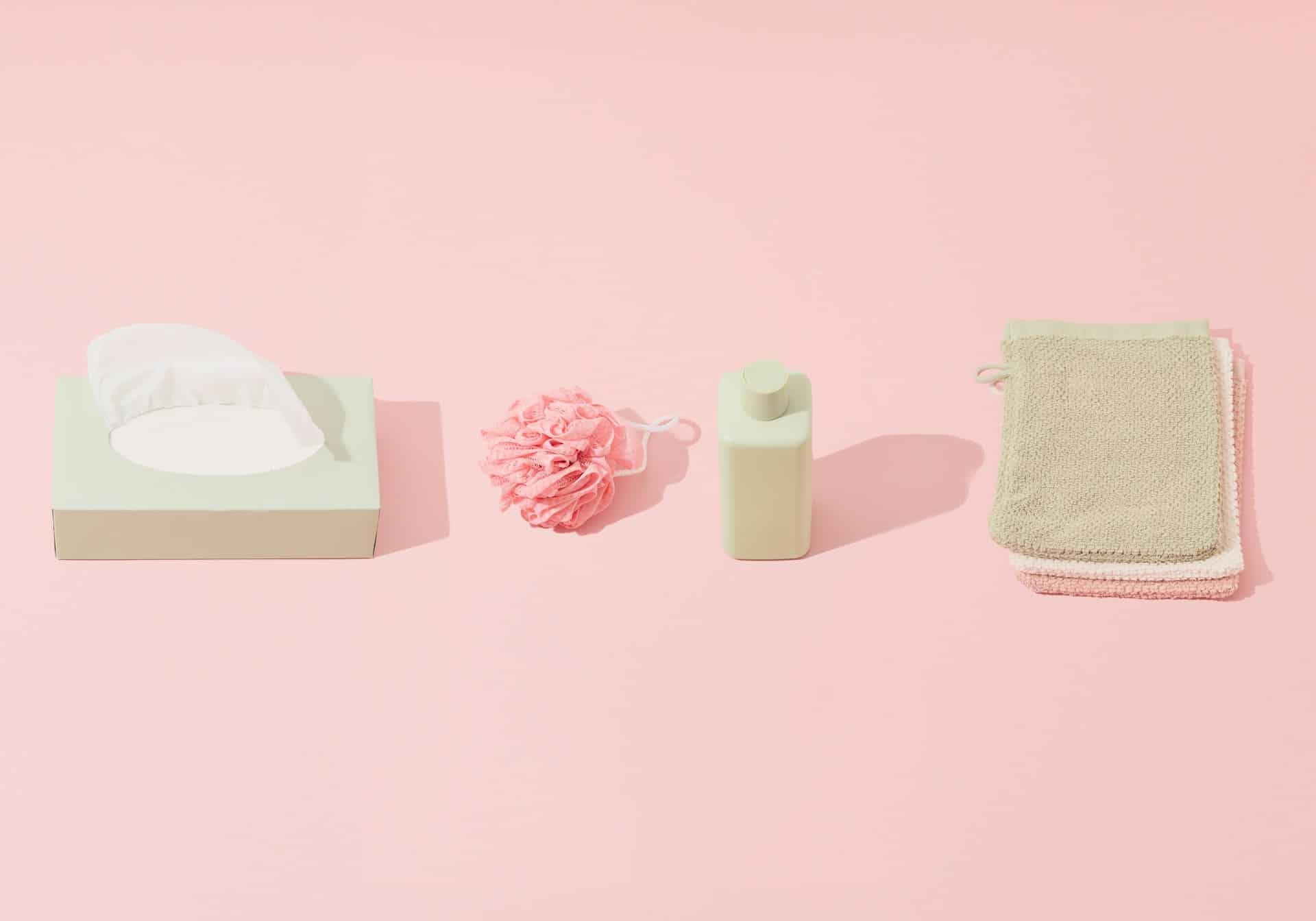
Why Hydration Matters Every Month of the Year
Whether it’s the dry air of winter or the heat of summer, your skin loses moisture daily. When hydration levels drop, skin can become tight, flaky, and more prone to irritation. Over time, chronic dehydration can lead to premature aging.
That’s why hydrating skincare isn’t just a seasonal concern—it’s a year-round priority. At Vital Derm MD Skincare, we help clients design hydration plans tailored to their skin type, climate, and lifestyle. If you’re unsure where to start, book a consultation via our contact page or send us a quick message on Facebook.
Step 1: Start with a Hydrating Cleanser
Avoid harsh cleansers that strip natural oils. Instead, choose a gentle formula with ingredients like glycerin, ceramides, or aloe vera. These not only cleanse but also replenish lost moisture.
Step 2: Layer in a Hydrating Toner or Essence
Hydrating toners prepare your skin to absorb serums and moisturizers more effectively. Look for products containing hyaluronic acid, panthenol, or rose water to help lock in that first layer of moisture.
Step 3: Apply a Humectant-Rich Serum
Humectants like hyaluronic acid, glycerin, and sodium PCA draw water into the skin, instantly improving plumpness. In winter, combine humectants with emollients (like squalane) for a double layer of hydration.
Our dermatologist-recommended serums are designed for maximum absorption without leaving a sticky residue—ask our team for recommendations via our contact page: https://vitaldermmdskincare.com/contact/.
Step 4: Seal with a Moisturizer
Moisturizers work best when applied after humectants. This helps seal in the hydration so it doesn’t evaporate. Depending on your skin type, you might choose:
Dry skin: Thick creams with shea butter or ceramides
Oily skin: Lightweight gels or lotions
Combination skin: A gel-cream hybrid
Step 5: Don’t Forget Sunscreen
Hydrated skin still needs UV protection. Sun damage depletes collagen and impairs your skin’s ability to retain water. Use a broad-spectrum SPF 30+ every day, even in winter.
Seasonal Adjustments for Hydration
Winter: Switch to richer moisturizers and add a humidifier indoors.
Summer: Focus on lightweight hydrators but keep SPF high.
Spring/Fall: Maintain balance—adjust based on humidity and temperature changes.
Lifestyle Habits That Boost Skin Hydration
Drink enough water throughout the day.
Limit alcohol and caffeine, which can dehydrate skin.
Eat water-rich foods like cucumbers, berries, and melons.
Avoid prolonged hot showers that strip natural oils.
Final Takeaway
Hydration is the foundation of healthy, glowing skin. By choosing the right products and adjusting your routine seasonally, you can maintain soft, plump skin all year long.
Ready to personalize your hydration plan? Explore our range of dermatologist-approved hydrating skincare products online, or connect with us via our contact page or Facebook.